Jak postavit přístřešek: Různé typy a jejich výhody
V přírodě může správný přístřešek poskytnout ochranu před nepříznivým počasím a přispět k pohodlnému pobytu. Zde jsou některé základní typy přístřešků, které můžeš postavit pomocí přírodních materiálů nebo plachet. Vyžaduje to trošku zručnosti a umu, ale určitě nic, s čím by sis neporadil/a.
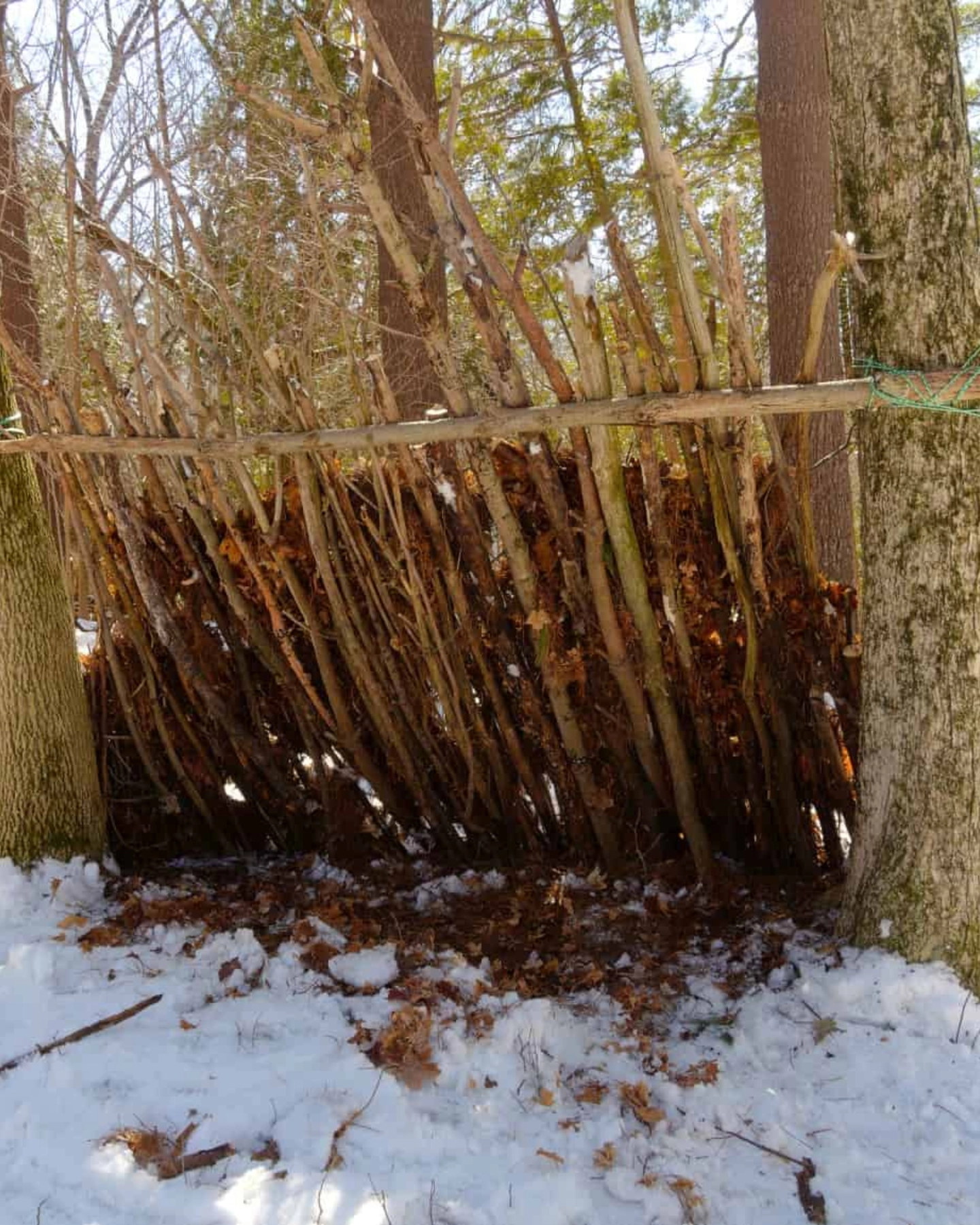
1. Lean-to (Jednostranný přístřešek)
Popis: Jednostranná střecha opřená o horizontální nosník.
Výhody: Snadná a rychlá stavba, poskytuje základní ochranu před větrem a deštěm.
Nevýhody: Ochrana pouze z jedné strany, nehodí se do extrémních podmínek.
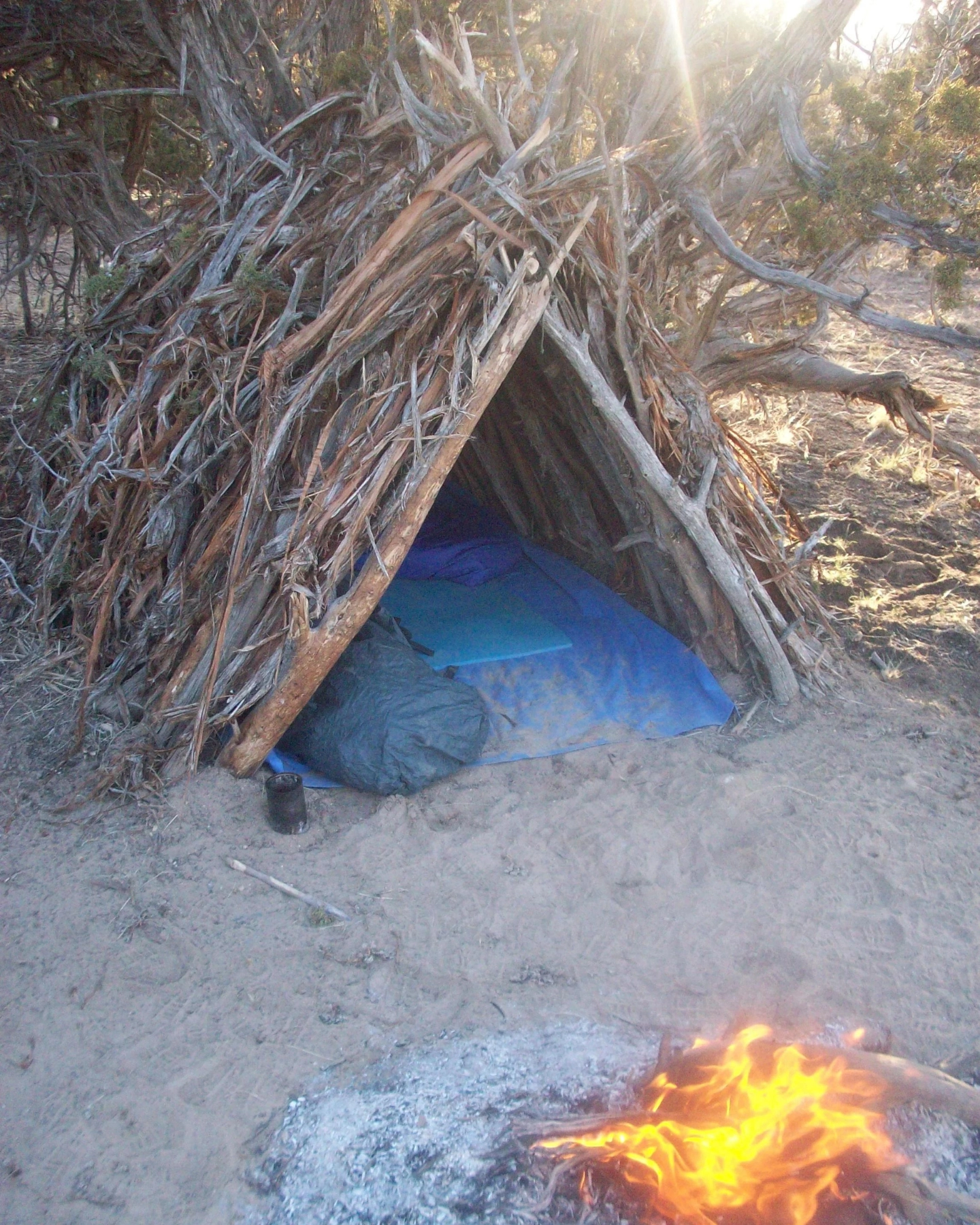
2. A-Frame (Ačkový přístřešek)
Popis: Tvar "A" s dvěma skloněnými stranami.
Výhody: Dobrá ochrana před deštěm, stabilita i při větrném počasí.
Nevýhody: Vyžaduje více materiálu, náročnější stavba.
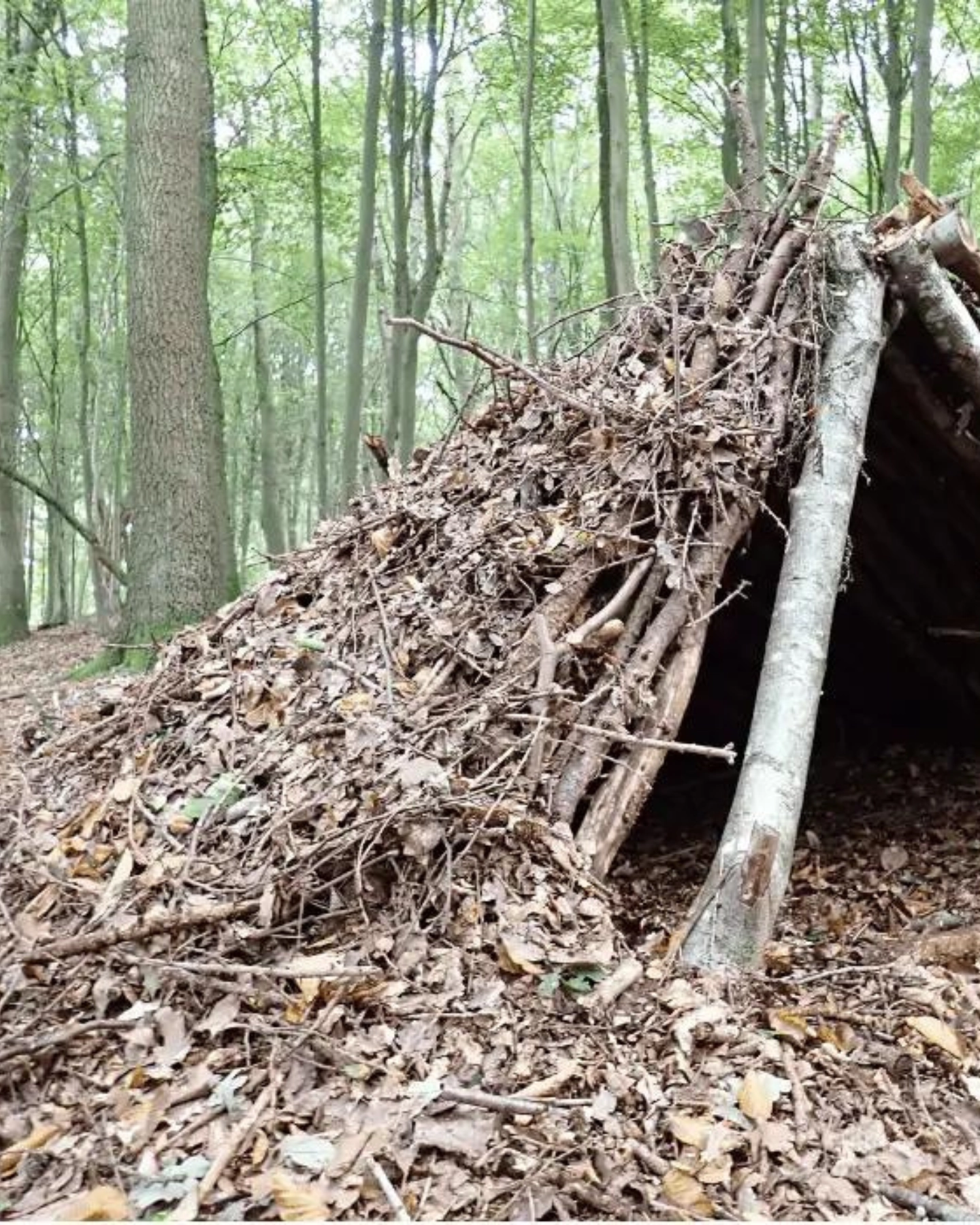
3. Debris Hut (Přístřešek z přírodního materiálu)
Popis: Přístřešek tvořený větvemi, listím a dalšími přírodními materiály.
Výhody: Využívá dostupné přírodní zdroje, dobrá izolace a ochrana před chladem.
Nevýhody: Delší doba stavby, závislost na dostupnosti materiálů.
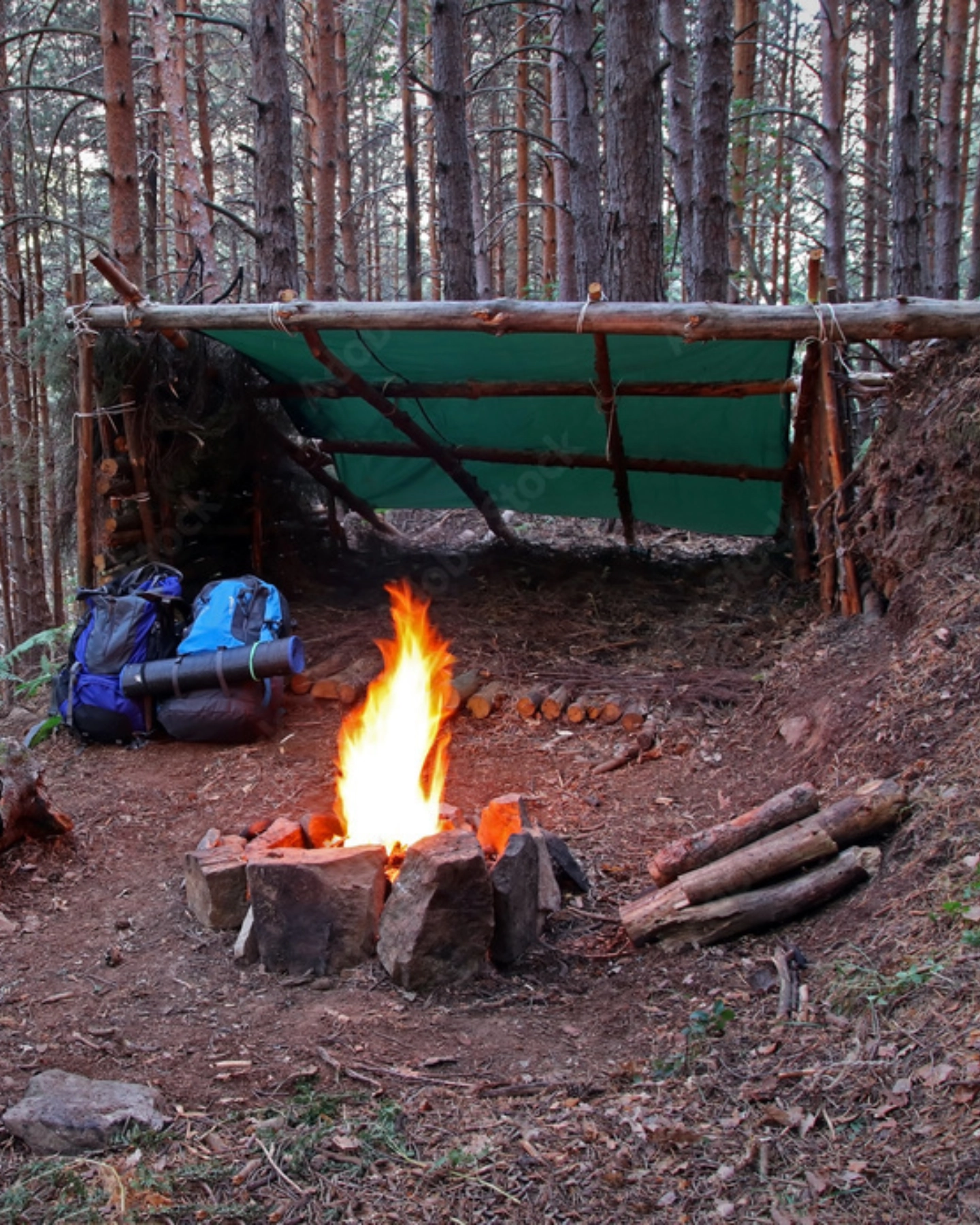
4. Plachtový přístřešek (Tarp Shelter)
Popis: Použití plachty jako střechy, upevněné pomocí lan a kolíků.
Výhody: Lehká a přenosná, snadná stavba, flexibilita v uspořádání.
Nevýhody: Závislost na kvalitě plachty, omezená ochrana před chladem.
TIP: Plachtu si můžeš vybrat tady a kolíky nalezneš zde.
Jak si vybrat správný typ přístřešku?
Podmínky terénu: Zvaž terén a dostupnost materiálů. V lesnatých oblastech můžeš využít větve a listí, zatímco na otevřených prostranstvích může být lepší volbou plachta.
Počasí: Předpověď počasí ovlivní tvůj výběr. Při očekávání deště nebo větru je lepší zvolit stabilní a chráněný přístřešek.
Čas a energie: Vyber si typ přístřešku, který odpovídá tvým časovým a energetickým možnostem. Některé přístřešky vyžadují více práce a materiálů než jiné, ale to už jsi jistě poznal/a.
Závěr
Stavba přístřešku je základní dovednost pro každého bushcraftera nebo outdoorového nadšence. Vyzkoušej různé typy přístřešků a zjisti, který ti nejlépe vyhovuje. Při stavbě nezapomeň na bezpečnost a respektuj přírodu okolo sebe. A samozřejmě aby ti bylo teplo - spacák nebo karimatka "MUST HAVE"!
Powered by Froala Editor