Firmware
Firmware je speciální typ softwaru, který je pevně uložen v paměti zařízení a slouží k jeho základnímu řízení. Ovládá, jak zařízení funguje na nejnižší úrovni – tedy jak komunikuje hardware se softwarem a jaké základní funkce zařízení vykonává. Firmware je typicky uložen v paměti typu ROM, EEPROM nebo Flash. Firmware je tedy zásadní spojnice mezi hardwarem a softwarem, která určuje, jak zařízení funguje. Bez firmware by hardware byl jen nefunkční soubor součástek a software by neměl na čem běžet.
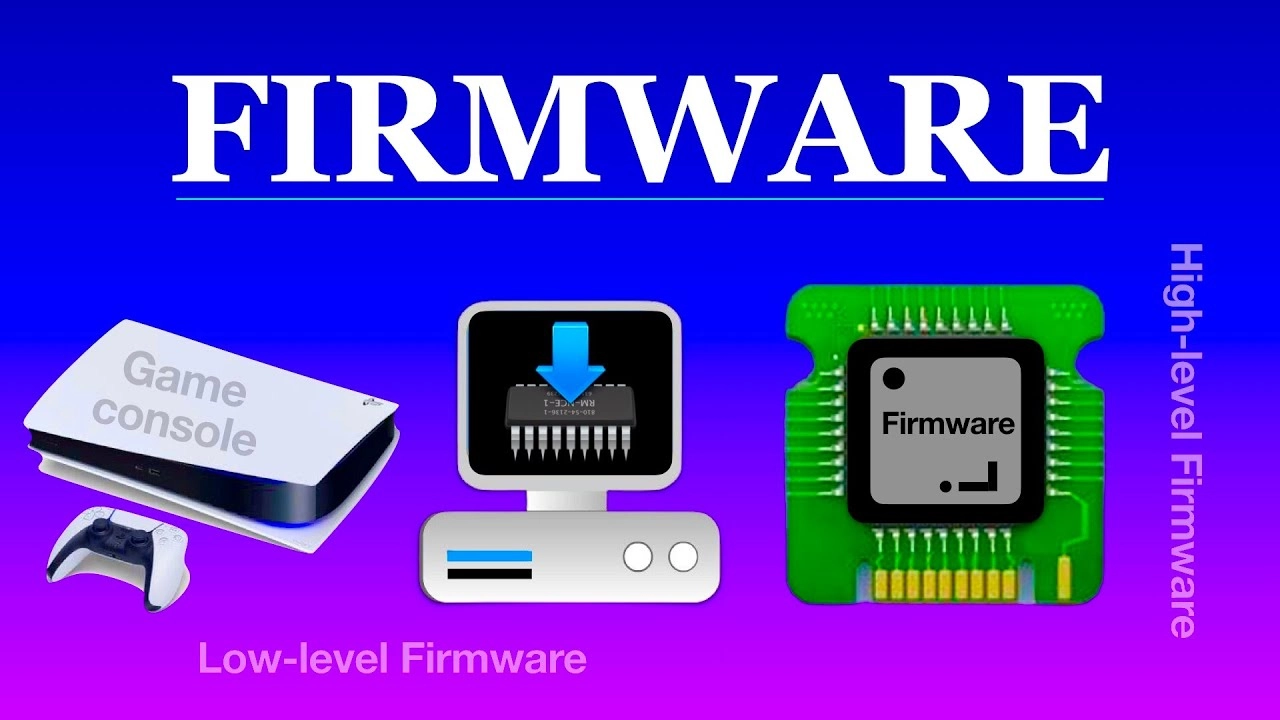
Ilustrační obrázek
Co firmware dělá?
- Inicializuje hardware při zapnutí zařízení.
- Řídí základní funkce zařízení (např. vstupy, výstupy, senzory).
- Zajišťuje komunikaci mezi hardwarem a vyššími vrstvami softwaru.
- Obsahuje logiku chování zařízení.
Rozdíl mezi hardware, software a firmware:
Pojem | Co to je | Příklad |
|---|---|---|
Hardware | Fyzické součástky zařízení | Procesor, paměť, displej, motor, senzory |
Software | Programy a aplikace běžící nad firmwarem | Windows, Android, mobilní aplikace |
Firmware | Nízkourovňový řídicí program uložený v zařízení | BIOS/UEFI, firmware routeru, firmware ETU jednotky |
Hlavní rozdíly jednoduše:
- Hardware = tělo zařízení.
- Firmware = mozek zařízení.
- Software = aplikace, které zařízení používá.
Lze firmware aktualizovat?
Ano. Většina moderních zařízení umožňuje aktualizaci firmware, která může:
- Opravit chyby.
- Zlepšit stabilitu.
- Přidat nové funkce.
- Zvýšit bezpečnost.
Firmware v airsoftu:
- ETU / MOSFET jednotky: Řídí kadenci, střelecké režimy, aktivní brzdu, ochranu baterie atd.
- Chronometry: Firmware vyhodnocuje rychlost BB a energii.
- Elektronické zaměřovače: Řídí jas, režimy a automatické vypnutí.
Powered by Froala Editor