UV
UV světlo (ultrafialové záření) je část elektromagnetického spektra s kratší vlnovou délkou než viditelné světlo. Pro lidské oko je neviditelné, ale vyvolává fluorescenci, některé materiály po ozáření UV světlem září, což umožňuje jejich identifikaci a kontrolu. UV světlo je tedy neviditelné záření s praktickým využitím u policie, armády i bezpečnostních složek. Díky schopnosti vyvolat fluorescenci umožňuje rychlou kontrolu pravosti dokumentů, bankovek a skrytých značek. Moderní UV diody se liší od běžných LED tím, že neosvětlují prostor, ale odhalují skryté informace. Kombinované svítilny s bílým a UV světlem jsou univerzálním řešením, které šetří místo a zvyšuje efektivitu práce. Svítilny Fenix s UV funkcí i klasické máme skladem na našem e-shopu.
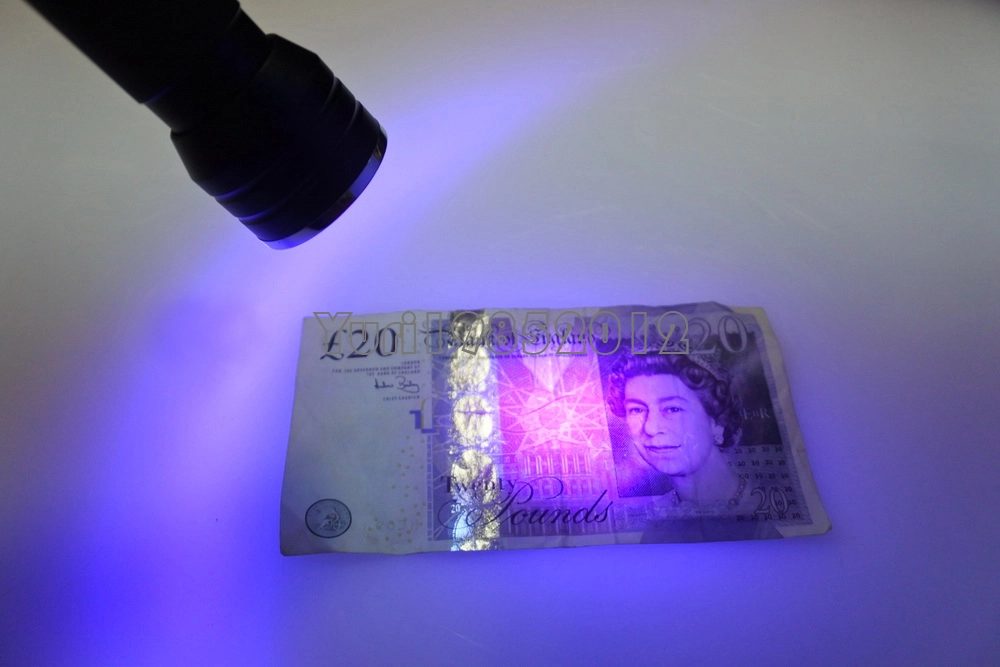
Ukázka ověřování pravosti bankovky pod UV světlem
K čemu se UV světlo používá u policie a v armádě
UV světlo je standardním nástrojem bezpečnostních složek, protože odhaluje prvky, které jsou ve viditelném světle skryté:
- Kontrola dokladů a bankovek – ověřování ochranných prvků, vodotisků a fluorescenčních vláken.
- Forenzní použití – detekce biologických stop, značkovacích látek a trasovacích barviv.
- Taktické značení – identifikace neviditelných UV značek a kódů.
- Kontrola výstroje – ověření autenticity materiálů a potisků.
Jak funguje UV dioda a jak se liší od běžné LED
UV dioda je typ LED, který místo viditelného světla vyzařuje ultrafialové záření (nejčastěji v pásmu UVA kolem 365–395 nm). Oproti klasické bílé LED:
- UV dioda – neosvětluje scénu, ale aktivuje fluorescenci materiálů.
- Bílá LED – slouží k běžnému osvětlení prostoru.
Moderní svítilny často kombinují výkonnou bílou LED s doplňkovou UV diodou, takže jedna svítilna zvládne běžné svícení i kontrolní úkony.
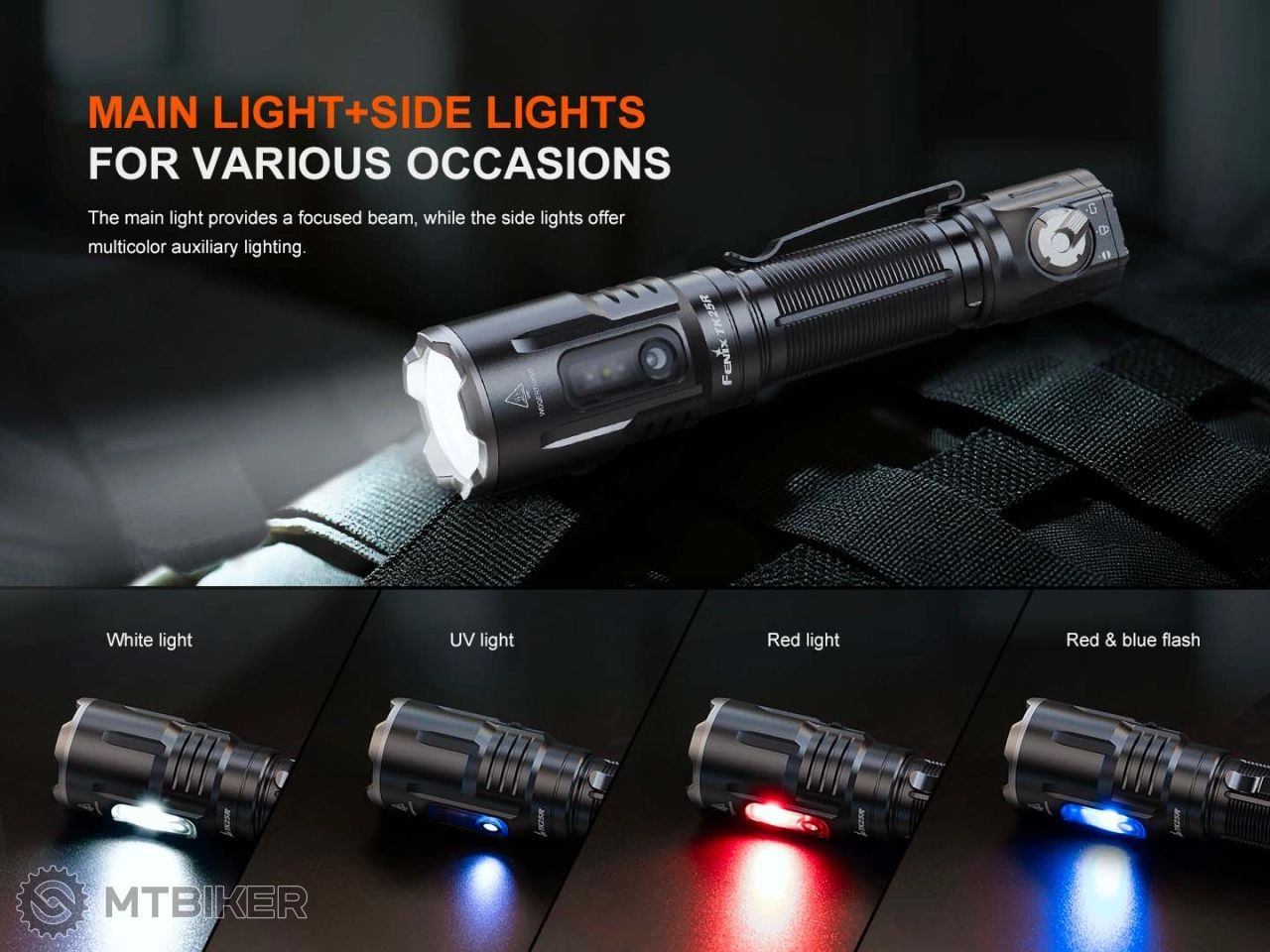
Multifunkční svítilna Fenix TK25R (k zakoupení na našem e-shopu)
Výhody UV světla v praxi
- okamžitá kontrola pravosti dokumentů a bankovek,
- rychlá identifikace značek a stop,
- nenápadné použití bez viditelného „prozrazení“.
Powered by Froala Editor