How Airsoft Conquered the World: The Fascinating History of Airsoft From Zero to Global Phenomenon
The history of airsoft is a story that started quietly but grew into a worldwide phenomenon. What began as a niche hobby in a country with strict weapon laws has become a global sport, a lifestyle, and a strong community connecting millions of players around the world.
So how did airsoft evolve from simple replicas into a full-scale tactical game played on fields across continents?
The Origins of Airsoft: When Laws Spark Innovation
The Birthplace of Airsoft – Japan
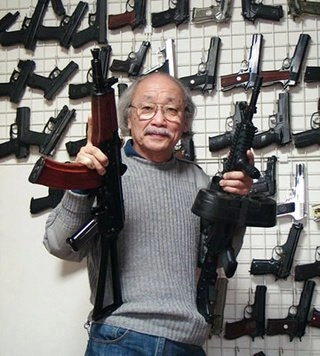
The history of airsoft begins in Japan in the 1970s. Due to extremely strict firearm regulations, civilians were not allowed to own real guns. Despite this, there was strong interest in firearms, military equipment, and realistic replicas.
To satisfy this demand legally, manufacturers began producing realistic but non-lethal replicas that could fire small plastic BBs. These early airsoft guns were not designed for games at first – they were primarily collectibles and training tools.
From Replicas to Games
Once people realized that plastic BBs could be fired safely, experimentation began. At first, airsoft was limited to target shooting, but it soon evolved into simple player-versus-player games. These early activities were known as “survival games”, the direct predecessor of modern airsoft.
Rules were basic, protective gear was minimal, and fair play relied heavily on honesty and mutual respect.
Technological Evolution: How Airsoft Changed Over Time
Spring and Gas – The Early Days
In the early stages of the history of airsoft, spring-powered guns dominated the market. They were simple, affordable, and mechanically reliable, but slow and limited in gameplay dynamics.
Later, gas-powered airsoft guns appeared. These used compressed gas to propel BBs, offering:
higher power,
smoother shooting,
improved realism.
This marked a major step toward more immersive gameplay.
The AEG Revolution
A turning point came in the late 1980s and early 1990s with the introduction of AEG (Automatic Electric Guns). Powered by batteries and internal gearboxes, AEGs allowed:
semi-automatic and full-auto fire,
consistent performance,
increased reliability.
This innovation played a crucial role in the global spread of airsoft.
Airsoft Goes Global
Expansion Across Asia
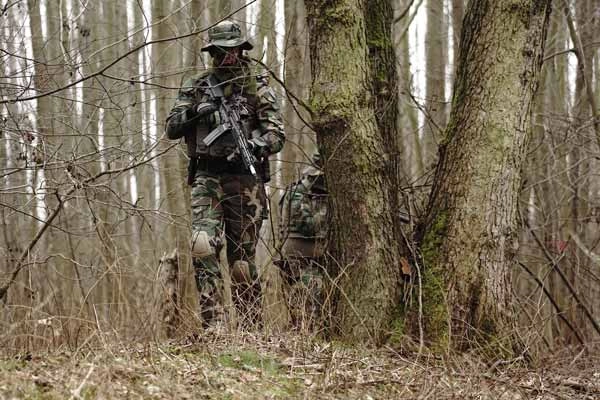
From Japan, airsoft quickly spread to other Asian countries with similar legal restrictions, including Taiwan, Hong Kong, and South Korea. In these regions, airsoft transformed from a hobby into an organized team-based activity.
Europe and the United States
During the 1980s and 1990s, airsoft reached Europe and the United States. At first, it was a niche hobby closely associated with military enthusiasts and reenactors. Over time, it gained popularity as an alternative to paintball.
Compared to paintball, airsoft offered:
greater realism,
lower ammunition costs,
authentic replicas of real firearms.
These advantages helped airsoft grow rapidly.
The History of Airsoft in Europe and the Czech Republic
Early Beginnings
Airsoft arrived in the Czech Republic in the early 1990s. Equipment was scarce and expensive, and information spread mainly through word of mouth. Despite this, the first teams and informal games began appearing in forests and abandoned areas.
Growth of the Community
With the rise of the internet and specialized airsoft stores, the Czech airsoft scene expanded quickly. Organized events, weekend games, and large-scale scenarios became common. Today, the Czech Republic is considered one of the most active airsoft communities in Europe.
Milestones That Shaped Airsoft
Hop-Up – A Small Detail With a Huge Impact
One of the most important technical innovations in the history of airsoft is the hop-up system. By adding backspin to the BB, hop-up dramatically improved:
shooting range,
accuracy,
overall gameplay depth.
Without hop-up, modern airsoft as we know it would not exist.
MilSim and Large-Scale Events
As the community grew, MilSim (Military Simulation) events emerged. These large-scale games simulate real military operations and often:
last dozens of hours,
involve hundreds or thousands of players,
require planning, logistics, and discipline.
MilSim elevated airsoft from a casual hobby to an immersive experience.
Airsoft Today: Sport, Hobby, and Lifestyle
Modern airsoft combines:
physical activity,
technical interest,
teamwork,
strong community bonds.
Today’s airsoft guns feature:
realistic materials,
advanced electronics,
programmable firing modes,
extensive customization options.
Airsoft is no longer just a game – it’s a lifestyle.
Why the History of Airsoft Is Still Being Written
The history of airsoft is far from finished. The sport continues to evolve through:
new technologies,
innovative game modes,
growing global communities,
increased focus on safety and fair play.
Each new generation of players adds another chapter to the story.
Conclusion: From Legal Limits to a Global Phenomenon
What started as a legal workaround in Japan has become one of the most popular tactical sports in the world. The history of airsoft proves that creativity and passion can turn restrictions into innovation.
Whether you are a veteran player or a complete beginner, one thing is certain: airsoft has a fascinating past and an even more exciting future ahead.
Powered by Froala Editor