CMOS
CMOS sensor (Complementary Metal-Oxide Semiconductor) is a modern light-sensitive imaging sensor used in cameras, smartphones, optical devices, and also in military technologies such as night-vision devices (NVG) and thermal systems. It converts incoming light into an electrical signal that is then processed into a digital image. Today, CMOS is the most widely used sensor type thanks to its high speed, low power consumption, and excellent low-light performance. A CMOS sensor is therefore a light-sensitive device capable of fast, efficient, and high-quality digital imaging. It was developed by NASA in the 1990s. It is now standard in cameras as well as military optics — including digital NVGs, helmet cams, rifle optics, and drones. It is durable, inexpensive, energy-efficient, and ideal for modern military applications and airsoft night-vision devices such as the OWLSET NVG 1x18 HD, available on our e-shop.
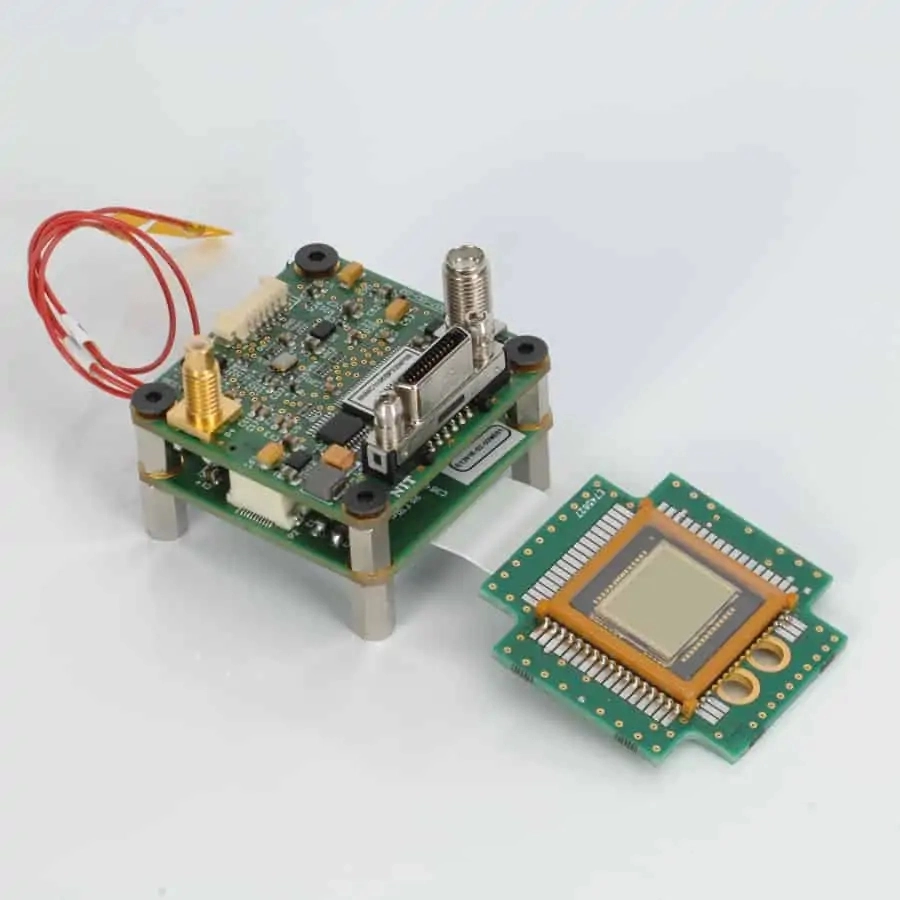
How does a CMOS sensor work?
A CMOS sensor is made up of millions of tiny light-sensitive elements — pixels. Each pixel contains microscopic photodiodes and transistors that:
- capture light (photons),
- convert it into an electrical charge,
- amplify the signal directly on the sensor (each pixel has its own amplifier),
- send the digital value to the processor, which forms the final image.
This design allows high readout speed and low power draw — a key advantage over older CCD sensors.
Who invented the CMOS sensor?
While CMOS technology was first described in the 1960s, the first practical CMOS imaging sensor was created by:
- Eric Fossum and his team at NASA’s Jet Propulsion Laboratory,
- in 1993.
NASA needed a small, energy-efficient, and durable imaging system for space probes — CMOS became the perfect solution. From there, the technology spread globally and is now the standard for cameras and optical devices.
Advantages of CMOS sensors
- Very low power consumption.
- High readout speed — ideal for devices requiring high FPS.
- Excellent low-light sensitivity.
- Simpler manufacturing → lower cost.
- Durable and compact — perfect for military equipment.
CMOS sensors in military technology
CMOS sensors are used across a wide range of military devices thanks to their durability, low power consumption, and image quality.
- Digital night-vision (NVG) — especially modern “Digital Night Vision” systems.
- Thermal optics — some hybrid systems combine CMOS with thermal detectors.
- Helmet-mounted cameras — combat recording, navigation, drones.
- Rifle optics and scopes with onboard video recording.
- Drones — terrain reconnaissance and night operations.
CMOS sensors in NVG
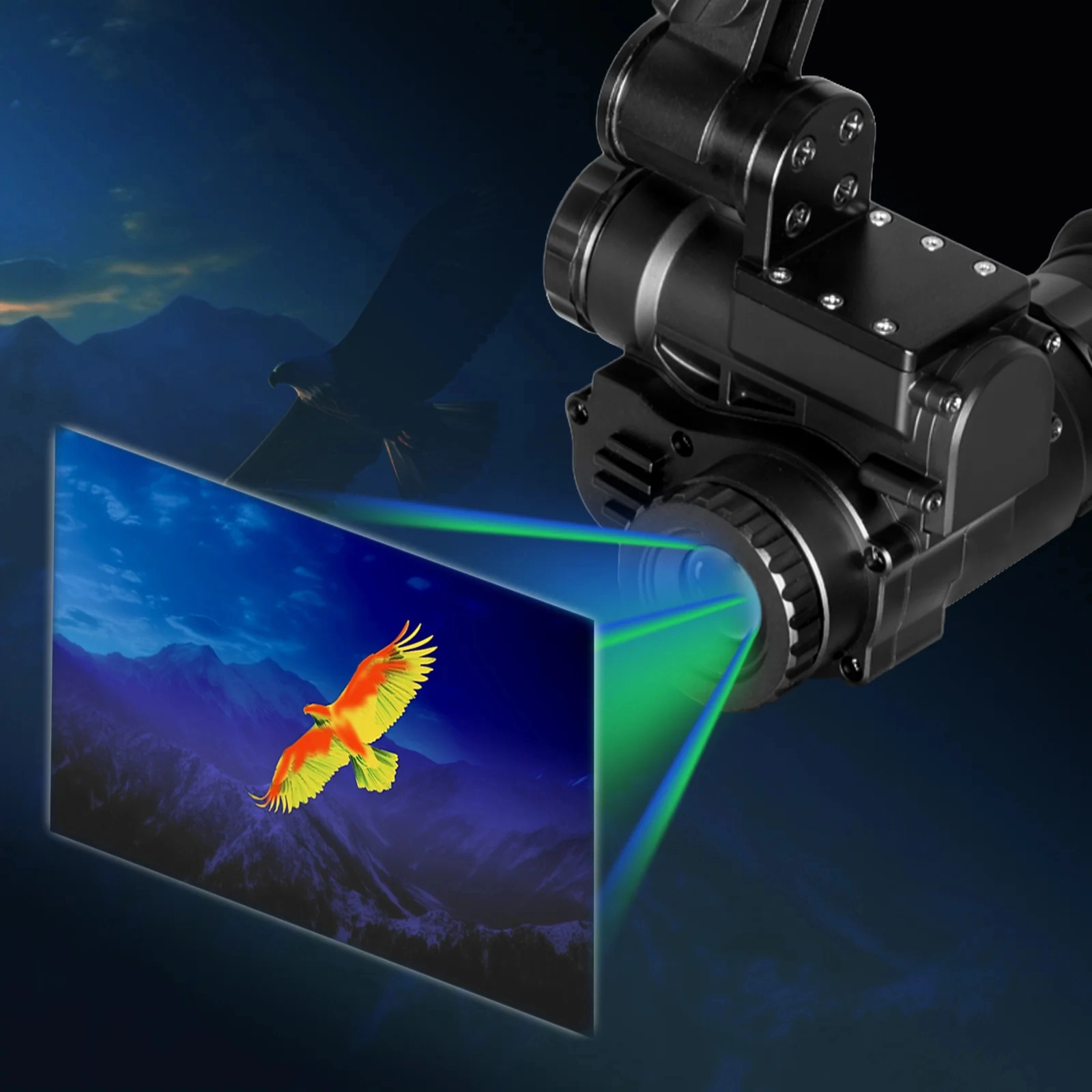
Traditional NVG (Gen 1–3) use an image intensifier tube, not CMOS. Modern systems, however, use digital night vision where the scene is captured by a high-sensitivity CMOS sensor.
Benefits for NVG:
- resistant to damage from bright light (unlike Gen 1–3 intensifiers),
- better image quality when paired with IR illuminators,
- lower weight and smaller size,
- lower cost than classic intensifier tubes.
The only drawback is lower performance in extremely dark conditions compared to top-tier Gen 3 NVG.
Powered by Froala Editor