Lithium Batteries
Lithium batteries are primary (non-rechargeable) cells that use lithium as the anode and various compounds as the cathode (e.g., manganese dioxide or iron disulfide). They offer higher voltage, longer shelf life, and significantly better performance in extreme conditions compared to alkaline batteries.
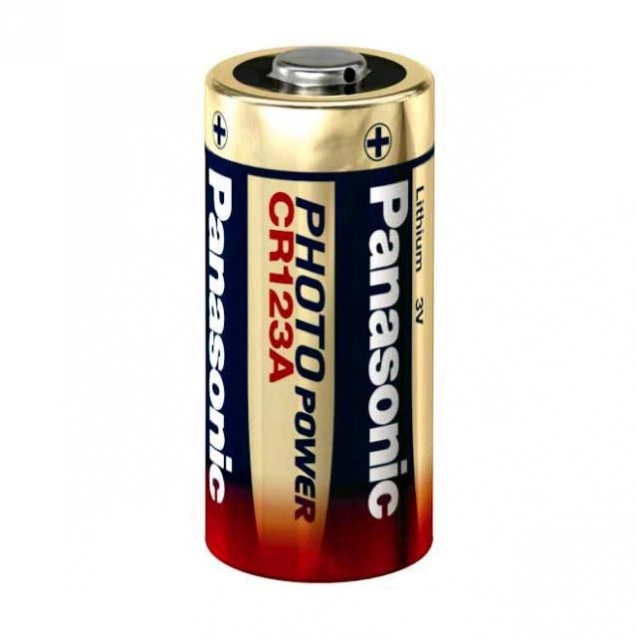
Typical voltage and formats:
- CR123A: 3 V – widely used in flashlights, optics, and tactical equipment.
- CR2, CR2032, AA lithium, AAA lithium: Commonly found in gun electronics, red dot sights, rangefinders, and more.
Advantages of lithium batteries:
- High energy density: Last significantly longer than alkaline batteries.
- Stable performance: Voltage remains consistent, unlike in alkaline cells.
- Wide temperature range: Operate reliably even in extreme cold or heat (–40 °C to +60 °C).
- Lightweight design: Lower weight with equal or higher output.
- Long shelf life: Up to 10 years, ideal for emergency gear and survival kits.
Disadvantages of lithium batteries:
- Higher cost: Several times more expensive than alkaline alternatives.
- Rechargeable versions (Li-Ion, LiFePO4) require special chargers.
- Susceptible to physical damage: Mishandling may cause overheating or ignition (especially with rechargeable types).
Military and tactical use:
- Tactical flashlights and optics: Lithium batteries (especially CR123A) are standard in professional gear.
- Laser sights, night vision, headlamps: Stable voltage is essential for reliable operation without interruptions.
- Survival kits and emergency gear: Lithium cells store well and function in all weather conditions.
Comparison with alkaline cells:
- Longer runtime – up to 3–5× more energy than equivalent-size alkaline cells.
- Greater reliability – consistent voltage and resistance to moisture and temperature.
- Higher investment, but more cost-effective long term for professional use.
Powered by Froala Editor