USB-C
USB-C (USB Type-C) is a modern universal connector used for power delivery, data transfer, and video output. It is reversible (can be plugged in from either side), supports high transfer speeds, and delivers significantly higher power compared to older USB connectors. The standard was introduced in 2014 by the USB-IF (USB Implementers Forum), whose members include Apple, Intel, Microsoft, HP, Dell, Lenovo, and other major tech manufacturers. USB-C is therefore a universal modern connector introduced in 2014, replacing older USB standards thanks to its speed, robustness, reversible design, and high charging capability. It has become the European standard and is increasingly used by military forces due to equipment unification and reliability in the field.
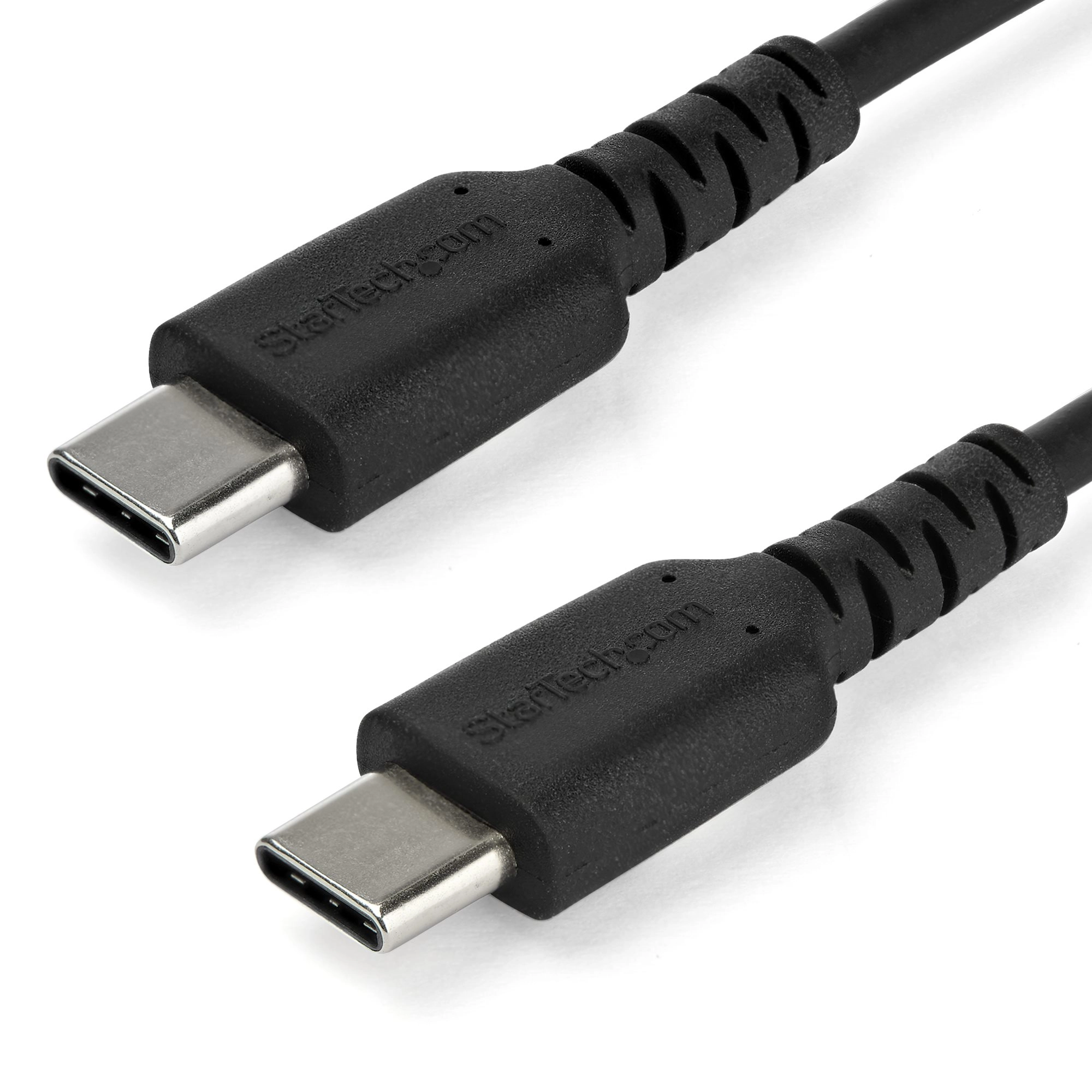
How is USB-C different from previous USB standards?
- Reversible design — plugs in either way, no “up” or “down”.
- One connector for everything — charging, data, video, audio.
- Higher speeds — USB 3.2 up to 20 Gb/s, Thunderbolt 4 up to 40 Gb/s.
- High power delivery — with USB Power Delivery up to 100–240 W (laptops, monitors).
- Unification — replaces Micro-USB, USB-A, HDMI, DisplayPort, and more.
USB-C is not just a physical connector but a platform capable of carrying multiple protocols — USB, PD, Thunderbolt, DP Alt Mode.
Is USB-C a European standard?
Yes. In 2022, the EU approved legislation making USB-C the mandatory charging standard for mobile electronics (phones, tablets, headphones, cameras) from 2024/2025 onward. The goal is to reduce waste and unify charging systems. USB-C has therefore become the official EU-wide standard for charging.
Is USB-C used in the military?
Yes — increasingly so. Modern military equipment is transitioning to USB-C for several reasons:
- Cable unification — fewer connector types needed in the field.
- Fast charging capability — useful for thermals, tablets, GPS units, NVG adapters.
- Durability — more robust than Micro-USB and better tolerates stress.
- Compatibility with power banks.
Special forces and modern armies (USA, France, UK, and recently the Czech Army) now use USB-C for tactical electronics — radio systems, navigation devices, helmet cameras, and digital mapping tools.
Powered by Froala Editor