Hydratační vak
Hydratační vak je rezervoár na vodu vyrobený z odolného a flexibilního materiálu (TPU, PEVA, silikon), který je uložen v batohu, zádovém panelu nebo vestě a je propojen s pitnou hadicí s náustkem. Díky tomu může uživatel pít vodu bez nutnosti zastavovat a vyndávat láhev. Tento systém je oblíbený u vojáků, outdoorových sportovců, turistů, cyklistů i airsofťáků. Pojem "camelbag" vznikl ze slova Camelbak, což je značka, která jako první přišla na trh s hydratačními vaky. Název vychází ze slova camel (velbloud), zvířete, které dokáže dlouho přežít bez vody, a bag (vak / taška). Dnes se slovo "camelbag" používá i obecně pro všechny hydratační vaky, i když správně jde jen o zkomolení názvu obchodní značky. Za nás doporučujeme špičkové vaky SOURCE, které zakoupíte na našem e-shopu.
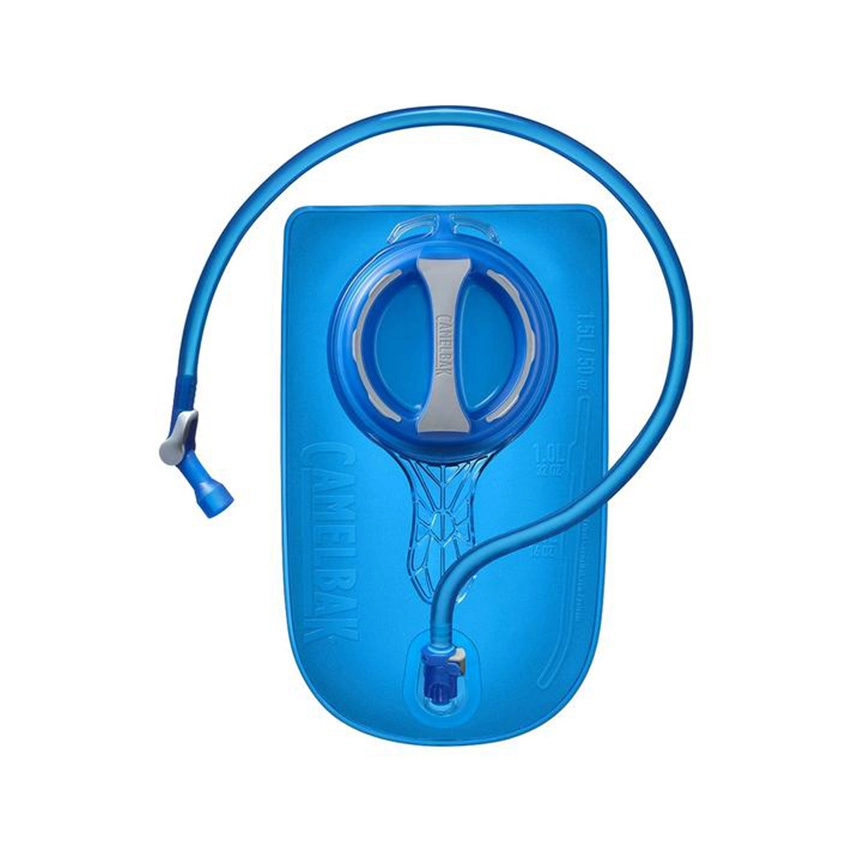
Značky a kvalita:
- Camelbak: Průkopník hydratačních vaků, velmi kvalitní zpracování, široká nabídka modelů pro sport i armádu.
- SOURCE: Izraelský výrobce, jehož hydratační systémy patří mezi absolutní špičku. Vyznačují se antibakteriální úpravou Glass-Like™, snadným čištěním, odolností proti plísním a dlouhou životností. Source vaky na vodu jsou standardně používány v izraelské armádě i NATO a patří mezi nejspolehlivější na trhu.
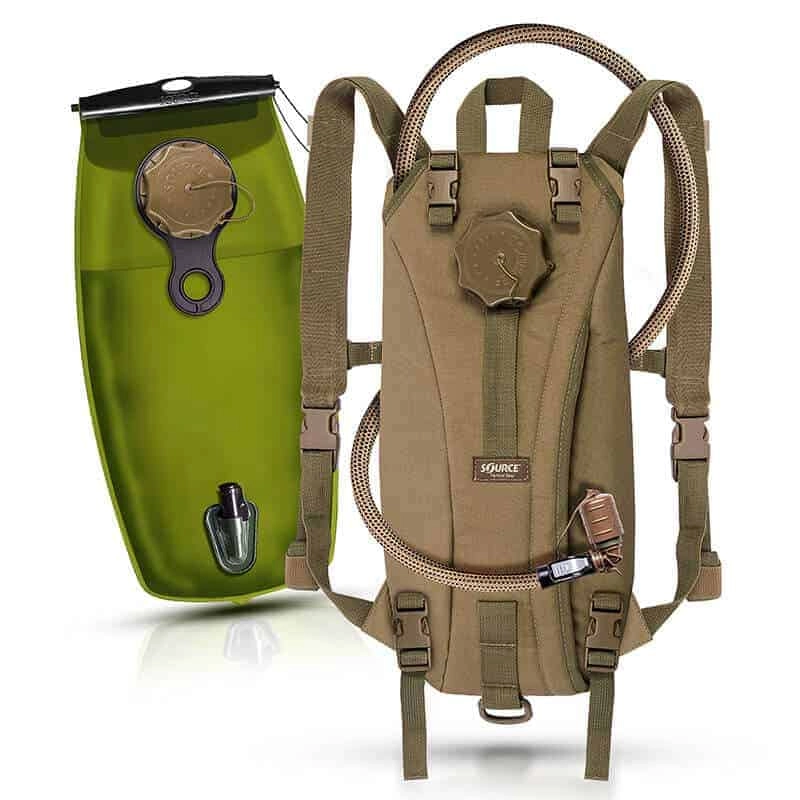
Výhody hydratačního vaku oproti láhvi (Nalgene, čutora, PET):
- Praktičnost: Možnost pít kdykoliv bez zastavení a bez nutnosti sundávat batoh.
- Objem: Vaky mají větší kapacitu (1,5–3 l) než většina lahví.
- Rozložení hmotnosti: Voda je rovnoměrně rozložená v batohu, nenaráží a neklepe jako láhev.
- Rychlost použití: Hadici lze vyvést přímo na ramenní popruh a pít i v pohybu.
Nevýhody oproti láhvi:
- Čištění: Vak i hadici je nutné pravidelně čistit, jinak hrozí plíseň a zápach.
- Citlivost: Ostré předměty mohou vak protrhnout (na rozdíl od tvrdé lahve).
- Kontrola obsahu: V láhvi snadno vidíte, kolik vody zbývá, u vaku je to složitější.
Jak správně čistit hydratační vak a hadici:
- Po každém použití: Vypláchnout čistou vodou a nechat vyschnout.
- Pravidelná údržba: Používat speciální čistící kartáče na hadice a vak.
- Dezinfekce: Čas od času vyčistit roztokem vody a jedlé sody, citronové šťávy nebo speciálními tabletami proti plísni.
- Sušení: Vak skladovat otevřený a suchý, aby se zabránilo množení bakterií.
Powered by Froala Editor