Odpor spouště
Odpor spouště je síla, kterou musí střelec vyvinout na spoušť, aby došlo k výstřelu. Udává se nejčastěji v kilogramech (kg) nebo newtonech (N) a zásadně ovlivňuje kontrolu zbraně, přesnost i bezpečnost. Čím nižší odpor, tím lehčí a citlivější spoušť; čím vyšší odpor, tím větší jistota proti nechtěnému výstřelu. Odpor spouště je tedy klíčový parametr, který ovlivňuje pocit ze střelby, přesnost i bezpečnost. Zatímco u ostrých zbraní je pevně svázán s mechanikou stojin a searů, u airsoftu jej lze díky nastavitelným a elektronickým spouštím (AAP-01 FUKU-2, VELO, CLICKER od PERUN) výrazně upravovat. Moderní airsoft tak nabízí extrémně lehký, krátký a konzistentní odpor spouště, který by byl u bojových ostrých zbraní nepřípustný, ale pro sportovní a herní použití je ideální.
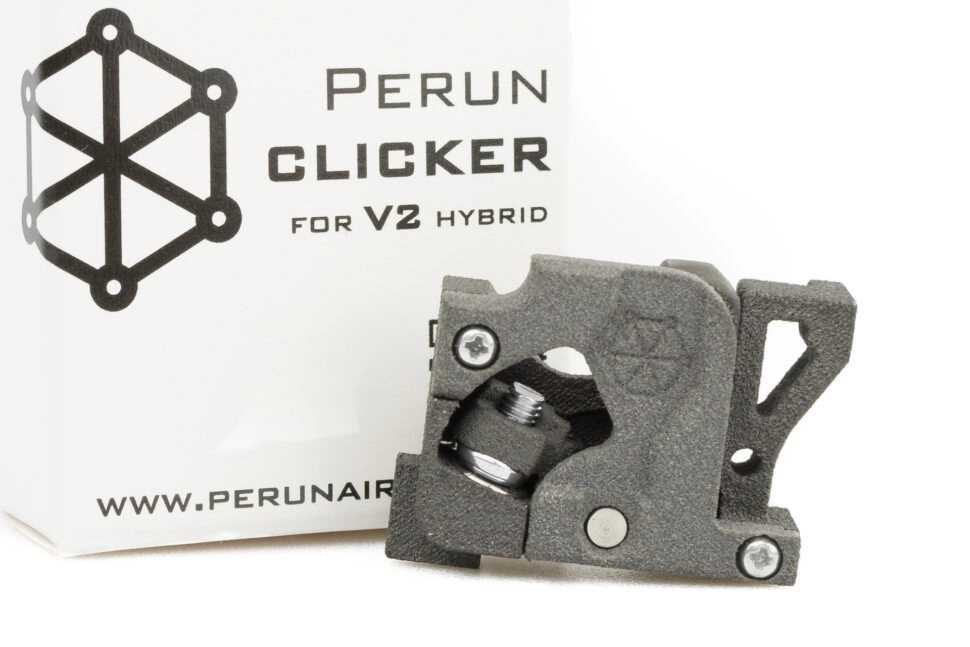
Magnetický simulátor odporu spouště PERUN CLICKER
Jak funguje odpor spouště u airsoftových zbraní
U airsoftu není odpor spouště dán zápalem náboje, ale mechanickým nebo elektronickým odporem v mechanismu. Zdrojem odporu může být:
- pružina spouště nebo kladívka,
- tření mezi kluznými plochami,
- odpor mikrospínače nebo optického senzoru (ETU / HPA).
U moderních airsoftových spouští lze odpor často ladit nepřímo – změnou geometrie, přítlaku, délky chodu nebo návratové pružiny.
Nastavitelné airsoftové spouště – AAP-01, VELO, CLICKER
U moderních airsoftových pistolí a AEG/HPA systémů se používají nastavitelné CNC spouště, které umožňují zásadně změnit pocit ze spouště:
- AAP-01 FUKU-2 trigger – umožňuje nastavit pre-travel a tím zkrátit dráhu, po které působí odpor. Výsledkem je lehčí a „ostřejší“ pocit spouště.
- VELO Trigger – zaměřený na rychlou odezvu, krátký chod a nízký subjektivní odpor, ideální pro speedsoft.
- CLICKER od PERUN – elektronická spoušť s mikrospínačem, kde odpor neurčuje mechanika, ale síla potřebná k sepnutí spínače. Odpor je velmi konzistentní a nízký.
Důležité je, že u airsoftu nižší odpor neznamená nižší bezpečnost, pokud je zbraň správně nastavena a chráněna elektronikou (ETU, HPA jednotky).
Odpor spouště u ostrých zbraní – stojiny a seary
U ostrých zbraní je odpor spouště dán především:
- tvarem a kontaktní plochou searu (ozubu),
- silou bicí nebo úderníkové pružiny,
- geometrií stojin spouště.
Zde má odpor spouště přímý vliv na bezpečnost zbraně – příliš lehká spoušť může vést k nechtěnému výstřelu, zejména v bojových podmínkách.
Historický vývoj odporu spouště
Odpor spouště se vyvíjel spolu s konstrukcí zbraní:
- Historické zbraně (křesadlovky, perkusní zámky): velmi vysoký odpor, dlouhý chod, důraz na bezpečnost.
- První opakovací a samonabíjecí pušky: nižší odpor, ale stále výrazná dráha.
- Moderní vojenské pušky: střední odpor (cca 2,5–3,5 kg), důraz na spolehlivost a bezpečnost.
- Sportovní zbraně: velmi nízký odpor (často pod 1 kg), extrémní citlivost.
Rozdíl mezi sportovními a vojenskými zbraněmi
- Sportovní zbraně: nízký odpor, krátký chod, maximální přesnost.
- Vojenské zbraně: vyšší odpor, delší chod, odolnost vůči stresu, špíně a nechtěným výstřelům.
Airsoft se svými nastavitelnými a elektronickými spouštěmi kopíruje spíše sportovní filozofii, kde je cílem rychlost, kontrola a konzistentní chod.
Powered by Froala Editor